A little bit
low-tox


7 Reasons Why You Should Know What Glyphosate Is (And Why You Should Avoid It).
September 23, 2023
detox, Detox Your Body, featured, garden, glyphosate, Lifestyle, sustainability, toxic ingredients, toxins to avoid

Real talk: I only share products I personally use and trust. Some links may be affiliate links, which means I may earn a small commission at no extra cost to you — but many of the products I recommend aren’t commissioned at all. Thank you for supporting this work.
TABLE OF CONTENTS
Hey there, eco-warriors and health buffs! It’s me, Kate. A holistic hairstylist turned low-tox blogger. Today, we’re about to embark on a thrilling journey, not to the latest superfood trend or the newest yoga pose, but into the mysterious realm of…
glyphosate (the active ingredient in Roundup). Dun, dun, dun!

Glyphosate, commonly found in herbicides, affects our health and the environment more than we might realize. It’s everywhere, and its harmful effects on our bodies and food are significant. Let’s delve into why avoiding glyphosate is essential for a healthier, low-tox lifestyle.
In a world where quick fixes overshadow the deeper implications of our choices, embracing a low-tox lifestyle is a declaration of care for our bodies and the planet. By understanding glyphosate’s hidden presence, we uncover the risks it poses and the empowering steps we can take to protect ourselves and our environment.
But this isn’t our first rodeo in the realm of conscious living. If you’ve followed my previous explorations in “How to Avoid Glyphosate: A Guide to Cleaner Living” and discovered the transformative power of “Why ION Nutrition Is My Favorite Wellness Hack,” you know that embarking on a low-tox journey is both a commitment and an adventure. These blogs have paved the way for today’s deep dive, offering insights and actionable advice for those ready to reduce their chemical exposure and embrace a healthier, more sustainable lifestyle.
Are you ready to join me on this eye-opening adventure?
Let’s dive deep into the heart of what it means to live a low-tox life, shedding light on the shadowy presence of glyphosate and arming ourselves with knowledge and action for a healthier, greener future. Here are my 7 reason why you should avoid glyphosate:

1. Gut Health
Imagine your gut as a bustling metropolis of microorganisms playing crucial roles in digestion, immune defense, and mood regulation. Glyphosate disrupts this balance, leading to digestive issues and a compromised immune system. Because it’s sole purpose is to kill nutrients in weeds so they do not grow, they also kill nutrients in our bodies when we eat anything that has been sprayed with this chemical. Which unfortunately is almost everything. NOT GOOD!
But fear not, for every villain has its counterforce. By embracing a low-tox lifestyle, we empower ourselves to protect this crucial ecosystem within us. It’s about choosing foods and products that avoid pesticides, we can nourish and sustain our body’s natural defenses. For more guidance into this journey, check out my blog, “How to Avoid Glyphosate: A Guide to Cleaner Living,” where I delve deeper into how we can shield our gut health from glyphosate’s clutches. Remember, in the realm of wellness, your gut is not just an organ; it’s your ally in achieving optimal health. Let’s honor and protect it by making low-tox choices that promote vitality and well-being.

2. THE “C” WORD ALERT
The year 2015 served as a pivotal moment for many of us in the wellness community, a true wake-up call that echoed across the globe. When the World Health Organization’s International Agency for Research on Cancer classified glyphosate as “probably carcinogenic to humans,” it wasn’t just a small footnote in scientific journals; it was a headline that demanded our attention and action. This classification shed light on the potential risks lurking in our environment, risks that could affect our health and the well-being of future generations.
Know knowing this information, adopting a low-tox lifestyle becomes more than a trend; it’s a commitment to health and longevity. It’s about making conscious choices that reduce our exposure to potentially harmful chemicals. By doing so, we not only safeguard our health but also contribute to a collective movement towards a healthier planet.
For those of us seeking to deepen our understanding and fortify our defenses against these risks, exploring resources like “The Journey of Intrinsic Health” with Dr. Zach Bush can provide valuable insights into how nutrition plays a role in our overall health strategy. This is not just about avoiding harm; it’s about proactively nurturing our bodies, empowering ourselves with knowledge, and making informed choices that support our health and the environment. The journey to wellness is a collective one, and each step we take towards a low-tox life is a step towards a brighter, healthier future.
3. Hormones and Nervous System
Glyphosate disrupts our endocrine system, leading to hormonal imbalances and affecting our nervous system.
A compelling case study highlighted in the National Library of Medicine illuminates the profound impact glyphosate can have on the nervous system, underscoring the importance of nurturing our bodies with a low-tox lifestyle. By consciously choosing what we consume and apply to our bodies, we initiate the restoration of our internal harmony, mitigating the effects of glyphosate and other disruptors on both our hormone balance and nervous system health.
In my blog, “Why ION Nutrition Is My Favorite Wellness Hack,” I delve into the transformative power of ION nutrition to bolster this delicate equilibrium, and how a diet rich in whole, organic foods can be your ally in maintaining hormonal and nervous system integrity.
Adopting a low-tox lifestyle means you take up the baton as the conductor of your body’s intricate orchestra, ensuring each note—be it hormonal or neural—resonates in perfect harmony. This journey is one of profound rediscovery, where every mindful decision nudges you closer to achieving the wellness, balance, and vitality you’re destined for. Together, let’s embark on this journey, creating an inner sanctuary that glows with health and serenity.
4. Protecting Our Waterways
Did you know that glyphosate contaminates our waterways, affecting aquatic ecosystems?
Something you probably would never even think about. Or want to!
This water soluble toxin since the 1990s, has not only worked its way into our grains, fruits, and vegetables, it has infiltrating the groundwater, slowly making its way into rivers, oceans, our air, and ultimately our rainfall. This isn’t just about our drinking water and keeping our gardens green; it’s about safeguarding the blue arteries of our Earth that pulse with life. The impact of glyphosate runoff is more than a drop in the ocean—it’s a wave of consequences affecting everything from the smallest fish to the vast, intricate coral reefs.
Embracing a low-tox approach is our pledge to be guardians of these waters. It’s a commitment to practices and products that leave the smallest footprint on our aquatic ecosystems. By choosing alternatives to glyphosate, we’re not merely preventing toxins from entering our waters; we’re actively participating in the healing of our planet. It’s a ripple effect of wellness that extends beyond our personal health, reaching into the heart of our natural world.
This commitment to waterway wellness echoes the themes of interconnectedness and responsibility found in my other blogs. It’s a testament to how each action we take, no matter how small, contributes to a larger narrative of health and sustainability. Let’s dive into this journey with hearts wide open, embracing the choices that lead to cleaner, more vibrant waters for all.
5. The Bee and Bird Sanctuary
In the lush gardens of a low-tox lifestyle, we find not just a haven for ourselves but a sanctuary for the small yet mighty beings that keep our ecosystem buzzing with life. The tale of glyphosate is not just a story of human wellness but also one of the bees and birds that grace our skies and pollinate our plants. These creatures, vital to the pollination process, face daunting challenges in the shadow of glyphosate, with evidence mounting on its toxicity to our winged allies. This isn’t merely about losing the beauty of birdsong or the buzz of bees; it’s about safeguarding the intricate web of life that sustains our food systems and natural landscapes.
By choosing a low-tox path, we’re not just gardeners of the earth; we’re stewards of a world where every creature has its place and purpose. It’s a commitment to practices that nourish the soil and the soul, ensuring that our environmental footprint is as gentle as a bee landing on a blossom. This approach extends a lifeline to the bees and birds, offering them a refuge free from the threats of glyphosate and other toxins.
Embracing this sanctuary-mindset enriches our understanding of wellness, connecting us more deeply to the natural world and its rhythms. It’s a powerful act of resistance against the forces that threaten our shared home and a step toward a future where humans, bees, birds, and all living beings thrive in harmony.
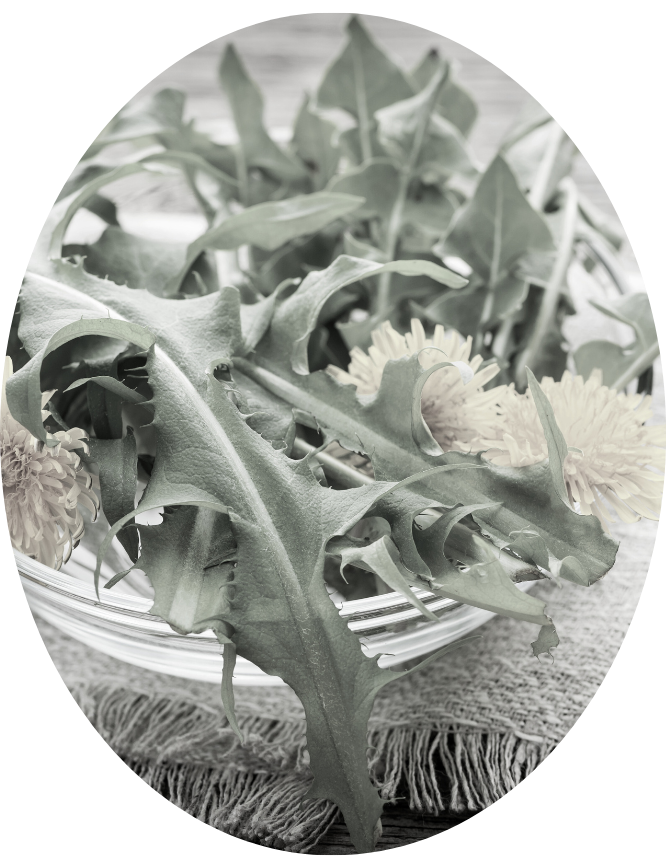
6. Nourishing Our Plants
Did you know that the third largest crop in the US is lawn grass, covering a whopping 40 million acres? This vast expanse of monoculture grass is doused with staggering amounts of chemical fertilizers, herbicides, and pesticides. As a result, our yards, school fields, parks, and golf courses rank among the most toxic areas in the country. But there’s a way to change this! Discover how you can eliminate chemical inputs and create safer, healthier spaces with the Non-Toxic Neighborhoods Project at Farmer’s Footprint.
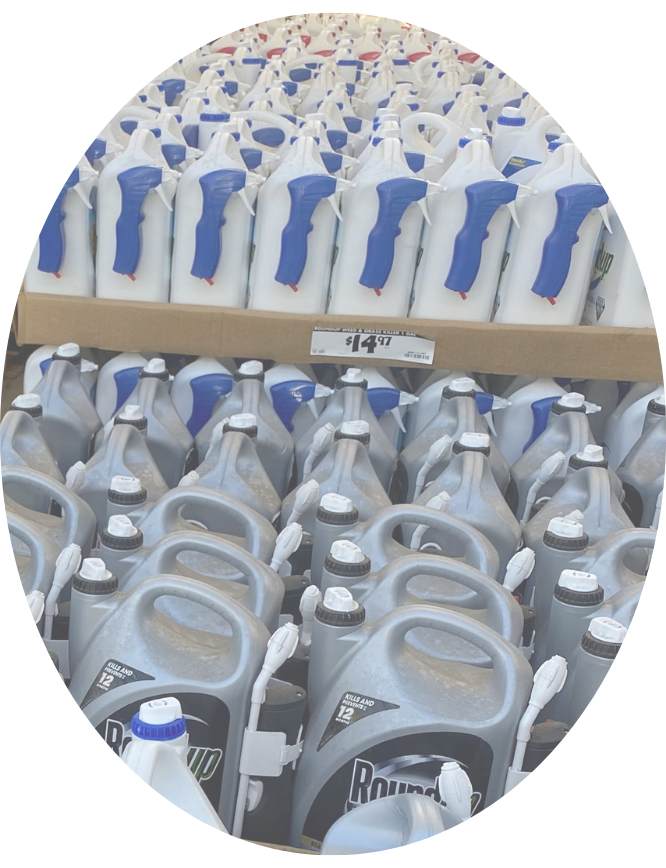
Glyphosate (the active ingredient in Roundup), often seen as a quick fix for unwanted vegetation, casts a long shadow over this relationship, severing the natural bond that plants share with their environment. This chemical intruder locks away essential nutrients in the soil, creating a barren landscape where only the toughest can survive. However, this isn’t just a tale of survival but one of resilience and rejuvenation.
By adopting a low-tox approach, we become caretakers of the earth, nurturing the soil with organic practices that breathe life back into our gardens. This isn’t merely about growing plants; it’s about cultivating a sanctuary where every leaf, petal, and root thrives in harmony with nature. Our commitment to avoiding glyphosate and embracing natural alternatives is a testament to our respect for the delicate balance of life.
This journey of plant nourishment is more than a chapter in our low-tox narrative; it’s a movement towards restoring the earth’s natural rhythm. Each choice to nourish our plants with care and consideration is a step towards healing our planet, making it a more vibrant, sustainable home for generations to come.

7. Plant Residue
Navigating the landscape of low-tox living unveils the unsettling reality of residue roulette—a risky game we unwittingly engage in with every bite of conventionally grown produce. Glyphosate, the unwelcome interloper at our dining tables, clings stubbornly to crops, surreptitiously infiltrating our meals with a tenacity that’s both alarming and unseen. This challenge extends beyond the simple act of washing our fruits and vegetables; it’s about addressing a systemic issue deeply ingrained in our food supply chain.
The stakes in this game are nothing short of our health and well-being. Yet, here’s where hope shines through: we possess the ability to shift the odds in our favor. By choosing organic and low-tox alternatives, we’re not merely sidestepping glyphosate residues; we’re championing a food system that reveres the health of the soil, the vitality of plants, and, fundamentally, our own well-being. This choice reverberates with the values of wellness and environmental stewardship, propelling us to contribute to a solution that enriches the body, soul, and Earth.
In this endeavor, organizations like Farmers Footprint are leading the charge, pioneering efforts to transition farmers away from chemical-reliant practices to regenerative agriculture methods that heal the soil and produce nutrient-rich, clean foods. Their work is a beacon of hope and a testament to the power of collective action in rewriting the narrative of our food systems. By supporting such initiatives and making conscious choices, we transform eating from a game of chance into a deliberate act of wellness.

The Grand Finale
As we wrap up our exploration into the hidden dangers of glyphosate and the vibrant world of low-tox living, it’s clear that this journey is about so much more than just avoiding a single chemical. It’s about redefining our relationship with our bodies, our communities, and our planet. This path we’ve embarked on together is paved with choices that echo our deepest values of wellness, sustainability, and harmony with nature.
Stepping into a low-tox lifestyle is not just a personal decision; it’s a collective movement towards a future where health and environmental integrity take center stage. It’s about creating a legacy of care, resilience, and well-being for ourselves and generations to come. Every choice to minimize our exposure to toxins like glyphosate, every decision to support organic and sustainable practices, is a testament to the strength of our commitment to this cause.
So, I invite you to reflect on this journey we’ve taken today. How will you carry forward the insights and inspirations into your daily life? What steps will you take to cultivate a low-tox sanctuary for yourself and your loved ones? Share your thoughts, plans, and questions in the comments below. Let’s continue this conversation and grow together in our quest for wellness and a cleaner, greener world.

Posted by:
Kate Ambers
I'm a holistic hairdresser that went from behind the chair to low-tox blogging. I share EASY, inexpensive ways to go low-tox and achieve cleaner living -
A LITTLE BIT AT A TIME! I want to help you slowly and easily detox your life and move towards a happier and healthier you.

Transform your life with our comprehensive e-book, plus free printables.
Leave a Reply

Only
Vips
Allowed
Your article helped me a lot, is there any more related content? Thanks!