A little bit
low-tox


Easy ways to Create an Eco-Friendly Kitchen
January 11, 2024
Clean Living, detox, DIY Low-Tox Cleaning Recipes, earth-friendly, eco-conscious, Home, how to detox, Lifestyle, Lowtox Living

Real talk: I only share products I personally use and trust. Some links may be affiliate links, which means I may earn a small commission at no extra cost to you — but many of the products I recommend aren’t commissioned at all. Thank you for supporting this work.
TABLE OF CONTENTS

Hey there, lovely readers! It’s me, Kate. The holistic hairstylist turned low-tox blogger. I am here today to share with you my favorite low-tox kitchen hacks! If you’re anything like me, you’re on a journey to embrace a low-tox, holistic lifestyle for you and a possible family. Living in harmony with nature and making conscious choices for the well-being of our planet is at the core of this lifestyle. And guess what? One of the best places to start this eco-conscious journey is right in your own kitchen!
In this blog post, we’re going to dive into the world of creating an eco-friendly kitchen, full of life hacks and tips to help you live a low-tox life. As a 30-something female, I understand the importance of a healthy and sustainable lifestyle. So, grab a cup of your favorite herbal tea, sit back, and get ready to learn how to transform your kitchen into a hub of wellness and environmental kindness.

The Low-Tox Kitchen Revolution
Welcome to the heart of your home—the kitchen. It’s where delicious meals are created, laughter is shared, and memories are made. But did you know that your kitchen can also be a powerful space for positive change? Let’s embark on a journey to transform it into an eco-friendly haven.
Eco-Friendly Kitchen Essentials
First things first, let’s talk about the tools and items you’ll need to create an eco-friendly kitchen. These essentials not only reduce your environmental footprint but also contribute to your holistic well-being.
- Reusable Containers: Bid farewell to disposable plastic containers and embrace glass, stainless steel, or silicone options for storing food.
- Eco-Friendly Cookware: Avoid teflon/ non-stick coatings and plastic whenever possible. Invest in non-toxic and sustainable cookware like cast iron, stainless steel, or ceramic. Say goodbye to harmful chemicals leaching into your meals.
- Reusable Shopping Bags: Carry your groceries in reusable bags to reduce plastic waste. Keep some foldable ones in your purse for unexpected purchases.
- Eco-Friendly Cleaning Products: Swap chemical-laden cleaners for eco-friendly alternatives that are gentle on the environment and your health. Check out these easy and low-cost DIY recipes.
- Energy-Efficient Appliances: Upgrade to energy-efficient kitchen appliances to save electricity and lower your carbon footprint.
Low-Tox Cooking and Eating
Adopting a low-tox cooking and eating approach isn’t just about choosing the right ingredients; it encompasses a broader philosophy that values health, sustainability, and mindfulness with every meal we prepare and consume. Opting for organic, locally sourced, and seasonal produce is crucial in minimizing exposure to harmful pesticides and reducing the environmental impact of long-distance food transport. Yet, the journey to a low-tox lifestyle delves deeper. To enhance your understanding and navigate the complexities of harmful substances like glyphosate, don’t miss out on further insights in my blog posts, “How to Avoid Glyphosate: A Guide to Cleaner Living” and “7 Reasons why you should know what Glyphosate is -and avoid it.” These articles will equip you with the knowledge and tips you need for a truly low-tox life.
Incorporating whole foods into your diet is a cornerstone of low-tox living. Whole foods are minimally processed and free from artificial additives, providing your body with the clean, nutrient-rich fuel it needs. Think vibrant fruits and vegetables, whole grains, and sustainably sourced proteins. By focusing on these natural powerhouses, you not only support your body’s health but also encourage sustainable farming practices.
Another aspect of low-tox cooking is being mindful of how you prepare your meals. For example, steaming or baking instead of frying can reduce the formation of harmful compounds and preserve the nutritional value of your food. Additionally, using natural herbs and spices not only adds flavor without the need for artificial enhancers but also offers a range of health benefits, from anti-inflammatory properties to immune system support.
Creating a low-tox kitchen extends beyond the food itself. It’s about fostering an environment that supports healthy habits and sustainable living. This includes being mindful of food waste, opting for reusable kitchenware, and choosing eco-friendly storage options. By making these conscious choices, you contribute to a healthier you and a healthier planet.
As you journey through the world of low-tox cooking and eating, remember that every small change counts. Whether you’re experimenting with a new plant-based recipe, starting a compost bin for your kitchen scraps, or simply choosing to cook at home more often, you’re taking meaningful steps towards a healthier lifestyle. Embrace this journey with curiosity and compassion, and watch as your kitchen transforms into a sanctuary of wellness and environmental kindness.

Holistic Meal Planning
Holistic meal planning is a cornerstone of living a low-tox lifestyle, acting as a powerful tool to ensure you’re nourishing your body with the best nature has to offer, while also minimizing waste and supporting sustainable practices. By dedicating time each week to plan your meals, you’re not just organizing your grocery list; you’re crafting a blueprint for healthier living. This process encourages you to consider the nutritional value of your meals, focusing on incorporating a diverse range of organic, locally sourced, and seasonal produce that supports both your body and the local economy.
Start by taking inventory of what you already have in your pantry and fridge to avoid unnecessary purchases and reduce food waste. Then, map out your meals for the week, incorporating a variety of colors and food groups to ensure you’re getting a wide range of nutrients. Cooking in batches can save you time and energy, and storing leftovers in glass containers keeps food fresh and reduces the use of plastic. Embrace the flexibility in your meal plan to accommodate unexpected changes in your schedule or what’s available seasonally. This mindful approach to meal planning not only enhances your health but also deepens your connection to your food and its origins, making each meal an act of self-care and environmental stewardship.

Zero-Waste Kitchen Hacks
Embracing zero-waste kitchen hacks is a fundamental part of living a low-tox lifestyle. It’s about rethinking our approach to kitchen waste, transforming what might have once been tossed into valuable resources. Here are several practical ways to incorporate less waste in your kitchen, making it a more eco-friendly space.
Composting: One of the most effective ways to reduce kitchen waste is by composting organic scraps. From vegetable peels to coffee grounds, these materials can be turned into nutrient-rich compost for your garden, rather than ending up in a landfill.
Repurposing Food Scraps: Before you consider something waste, think of ways it can be reused. Vegetable scraps can be saved to make homemade vegetable stock, while citrus peels can be used to create natural cleaning agents or infused into water for a refreshing twist.
Bulk Buying: Purchasing food in bulk, using your own containers, not only reduces packaging waste but often saves money. This approach encourages you to buy only what you need, reducing food waste and excess packaging.
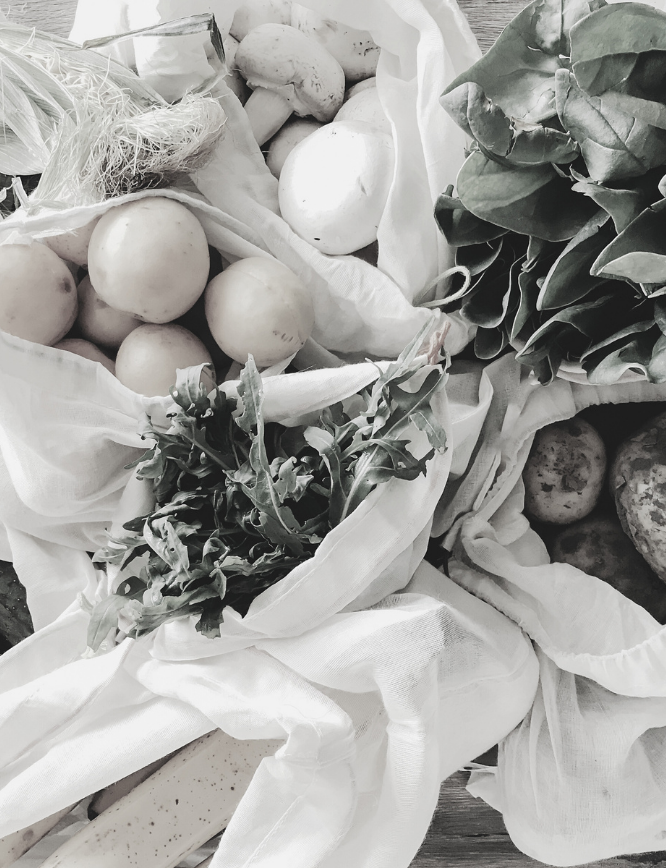
Reusable Alternatives: Swap single-use items like plastic wrap and paper towels for reusable options. Beeswax wraps, cloth napkins, and silicone lids can all be washed and reused, significantly cutting down on kitchen waste.
Mindful Storage: Properly storing food can extend its shelf life and reduce waste. Invest in airtight containers, learn the best storage methods for different foods, and regularly organize your fridge and pantry to keep track of what you have.
By incorporating these zero-waste kitchen hacks, you’re not just minimizing your environmental impact; you’re also fostering a space that aligns with a sustainable, low-tox lifestyle. Each small change is a step towards a healthier planet and a more mindful way of living.

Eco-Friendly Cleaning
Transitioning to eco-friendly cleaning practices is a vital component of cultivating a low-tox kitchen environment. By swapping out chemical-laden cleaning products for natural alternatives, you not only safeguard your health but also minimize your environmental footprint. Here are several practical and effective strategies for integrating eco-friendly cleaning into your kitchen routine, further enhancing your commitment to a sustainable lifestyle.
DIY Cleaning Solutions: Harness the power of simple ingredients like vinegar, baking soda, and lemon to create effective, natural cleaning agents. These staples can tackle everything from greasy countertops to clogged drains, without the harsh chemicals. For a comprehensive guide on concocting your own cleaning solutions, check out my blog on DIY cleaning recipes. It’s packed with easy-to-follow recipes that promise a sparkling clean kitchen, the eco-friendly way.
Reusable Cleaning Tools: Opt for durable, washable cleaning cloths and scrubbers instead of disposable paper towels and synthetic sponges. Microfiber cloths, bamboo dish brushes, and old t-shirts repurposed as rags are excellent choices that reduce waste and can be used repeatedly.
Eco-Friendly Dish Soap: Choose dish soaps that are biodegradable and free from harmful chemicals. Many eco-conscious brands offer concentrated refills to minimize plastic use, allowing you to keep a clean kitchen while supporting the planet.
Natural Air Fresheners: Keep your kitchen smelling fresh naturally. Simmering water with cinnamon, citrus peels, or herbs can fill your kitchen with delightful aromas without resorting to synthetic air fresheners.
By implementing these eco-friendly cleaning practices, you’re not just creating a healthier living space; you’re also contributing to a more sustainable world. Each small step towards less waste and natural cleaning supports a low-tox lifestyle, making your kitchen a beacon of wellness and environmental responsibility.
Nurturing a Green Thumb
Nurturing a green thumb, especially within the confines of your kitchen, is a delightful and rewarding aspect of adopting a low-tox lifestyle. It’s about more than just beautifying your space; it’s a practical step towards sustainability and self-sufficiency. Starting with herbs is a great way to dip your toes into gardening, as they require minimal space and can thrive on a sunny windowsill. Herbs like basil, mint, and cilantro not only add fresh flavors to your cooking but also purify the air, bringing a slice of nature into your home.
Expanding your indoor garden to include vegetables such as cherry tomatoes or leafy greens can further enhance your meals with fresh, organic produce, straight from your kitchen. This practice not only reduces the need for store-bought, packaged goods but also gives you the joy of eating what you’ve grown, a true low-tox delight.
In addition to providing culinary benefits, nurturing a green thumb can be a meditative and educational experience. It connects you to the cycles of nature and teaches patience and care. Plus, sharing your harvest with friends and family can spread the love for home-grown, toxin-free food.
For those new to gardening, start small and don’t be discouraged by setbacks. Trust me! As someone who’s back yard once looked like a cemetery of plants, I can tell you from experience that every plant is a learning opportunity, and there’s a wealth of resources available to help you on your journey. Remember, the goal is to enjoy the process and celebrate every bit of growth, both in your garden and in your low-tox lifestyle.
Low-Tox Kitchen Gadgets
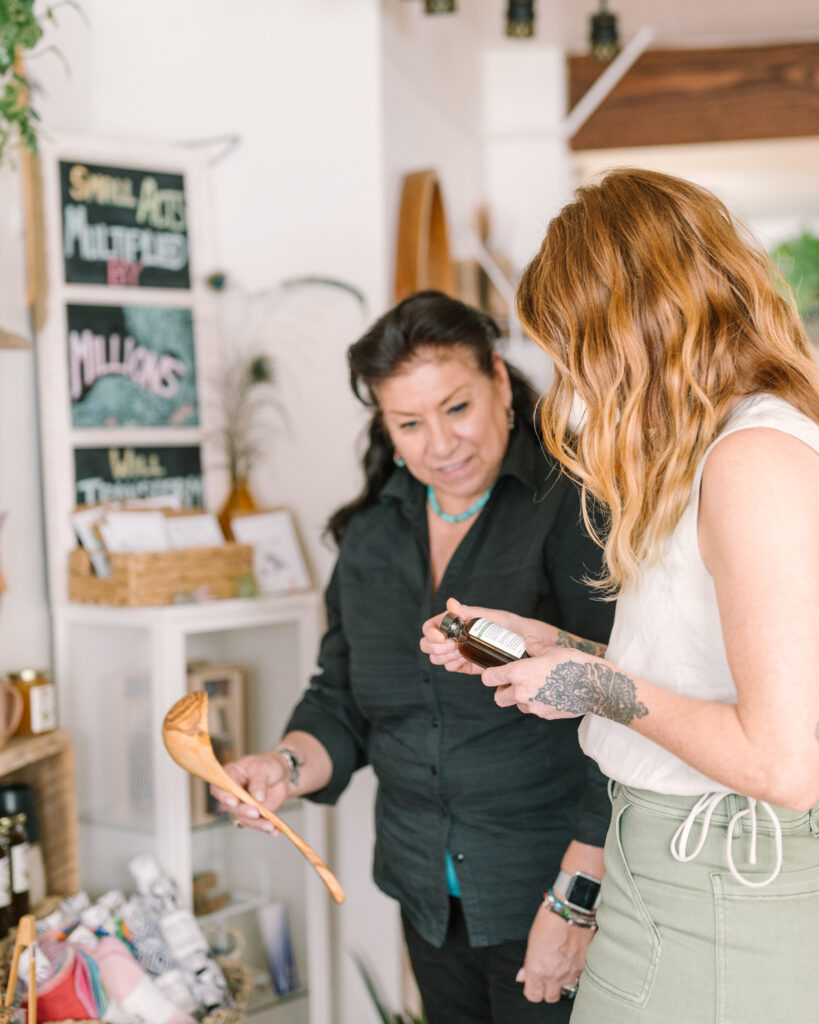
Diving into the world of low-tox living extends into the very gadgets we choose to pepper our kitchens with. It’s about selecting tools that not only minimize our exposure to harmful chemicals but also support our sustainable lifestyle goals. From silicone baking mats that replace disposable parchment paper to glass storage containers that keep leftovers fresh without the risk of plastic leeching, each gadget serves a purpose beyond its immediate function—it’s a step towards a healthier, more environmentally conscious kitchen.
Hydration is more nuanced than simply drinking eight glasses of water a day; it’s about ensuring the water we drink is as beneficial to our health as possible, without introducing harmful toxins into our bodies. For instance, utilizing a high-quality water filter can drastically improve the purity of your drinking water, ensuring it’s free from harmful contaminants while also helping to reduce reliance on plastic water bottles and their environmental impact. Similarly, choosing to invest in a durable, eco-friendly coffee maker can help avoid the waste associated with single-use pods and filters, contributing to a more sustainable daily routine. To delve deeper into effective hydration practices and learn more about the importance of clean water and sustainable living, don’t miss my comprehensive exploration in “7 Reasons Why You’re Still Not Hydrated – and How to Fix It.” This guide not only highlights the essential aspects of proper hydration but also provides practical solutions for a healthier, eco-friendlier lifestyle.
Incorporating low-tox kitchen gadgets doesn’t have to be a daunting overhaul. Start small, replacing items as they wear out with more sustainable options. Look for gadgets made from natural materials like bamboo utensils, which are not only durable but also biodegradable. Another great addition is a compost bin designed to fit seamlessly into your kitchen space, making it easier to reduce food waste and contribute to a healthier ecosystem.
Each of these gadgets represents a choice for a low-tox lifestyle, blending functionality with a commitment to health and sustainability. They remind us that every meal prepared and every beverage brewed can be an act of environmental stewardship, aligning our daily routines with the values of conservation and care.
Mindful Eating Rituals
Integrating mindful eating rituals into your daily routine is a transformative practice that complements a low-tox lifestyle beautifully. It’s about slowing down and being fully present with your meal, appreciating the flavors, textures, and nourishment it provides. This practice not only enhances your dining experience but also encourages a deeper connection with your food and its origins, promoting a greater appreciation for the natural, toxin-free ingredients on your plate.
To begin, consider setting a serene environment for your meals, free from distractions like television or smartphones. Use this time to truly engage with the act of eating, noticing the subtle nuances of each bite and chewing thoroughly. This not only aids digestion but also allows you to savor the meal fully, making it more satisfying and enjoyable.
Incorporating gratitude into your meals can further enrich this ritual. Before eating, take a moment to express thanks for the food before you, acknowledging the effort and resources that went into its preparation. This can foster a sense of contentment and fulfillment, extending beyond the meal itself.
Mindful eating also involves listening to your body’s hunger and fullness cues, eating when you’re genuinely hungry and stopping when you’re comfortably full. This practice can lead to more intuitive food choices, aligning your eating habits with your body’s natural needs and supporting your overall wellness in a low-tox lifestyle.
Sharing the Low-Tox Love
Embracing a low-tox lifestyle, especially in the kitchen, is a journey filled with discovery, health, and a deeper connection to the environment. It’s about making small, sustainable changes that together create a significant impact not only on our personal health but also on the planet’s well-being. Remember, transitioning to a low-tox lifestyle doesn’t have to be overwhelming. Take it “a little bit” at a time, focusing on one swap or habit change at a time, and gradually, you’ll transform your kitchen and eating habits into a model of holistic health and sustainability.
As we wrap up this guide, I’m curious to hear about your own journey. What steps have you taken towards creating a low-tox kitchen? Have you discovered any tips or tricks that have made the transition easier or more enjoyable? Share your experiences in the comments below. Your insights could inspire someone at the beginning of their low-tox path and remind us all that every small change contributes to a larger movement towards wellness and environmental kindness.

Posted by:
Kate Ambers
I'm a holistic hairdresser that went from behind the chair to low-tox blogging. I share EASY, inexpensive ways to go low-tox and achieve cleaner living -
A LITTLE BIT AT A TIME! I want to help you slowly and easily detox your life and move towards a happier and healthier you.

Transform your life with our comprehensive e-book, plus free printables.
Leave a Reply

Only
Vips
Allowed
I love your tips Kate! Thank you. I started buying in bulk a few years ago but struggled when there weren’t paper bags to put the food in and only single use plastic. I recently found some nice organic cotton drawstring bags that I use for buying my bulk items and then I just take a picture or of the product code or for items I buy frequently it just is in my permanent digital shopping list. 🙂
I find with a kid getting rid of single use paper towels hard but I’ve switched to ones made of bamboo and am happy with them.
That is awesome! I do love the bamboo fiber cloths! I love you digital shopping list idea. I may have to steal that one 🙂